Statistics and reproducibility For assessing differences between the two groups, a t-test was performed
Week 3-4 What to expect : Significant pain reduction (50-70%) Improved range of motion Better strength Functional improvements Visible progress Week 5-6 What to expect : Near-complete healing (70-90%) Return to activities Minimal discomfort Continued improvement Post-protocol (weeks 7-10) What to expect : Continued healing for 2-4 weeks after stopping Further improvements Stabilization Read complete BPC-157 benefits

Research has examined its role in: Stimulating collagen and elastin synthesis in fibroblast cultures Modulating matrix metalloproteinases (MMPs) and their inhibitors (TIMPs) Promoting angiogenesis and endothelial cell recruitment Regulating gene expression across thousands of human genes Supporting tissue remodelling in wound, lung, bone, and gastrointestinal models Investigating anti-inflammatory and antioxidant pathways GHK-Cu and Collagen Synthesis Research Research published in FEBS Letters confirmed that GHK-Cu stimulates collagen synthesis in fibroblast cultures, with stimulation beginning between 10 and 10 M, reaching maximum effect at 10 M, independently of any change in cell number
Young and old rats exposed to Epithalon had stimulated skin fibroblast proliferation by 29-45%
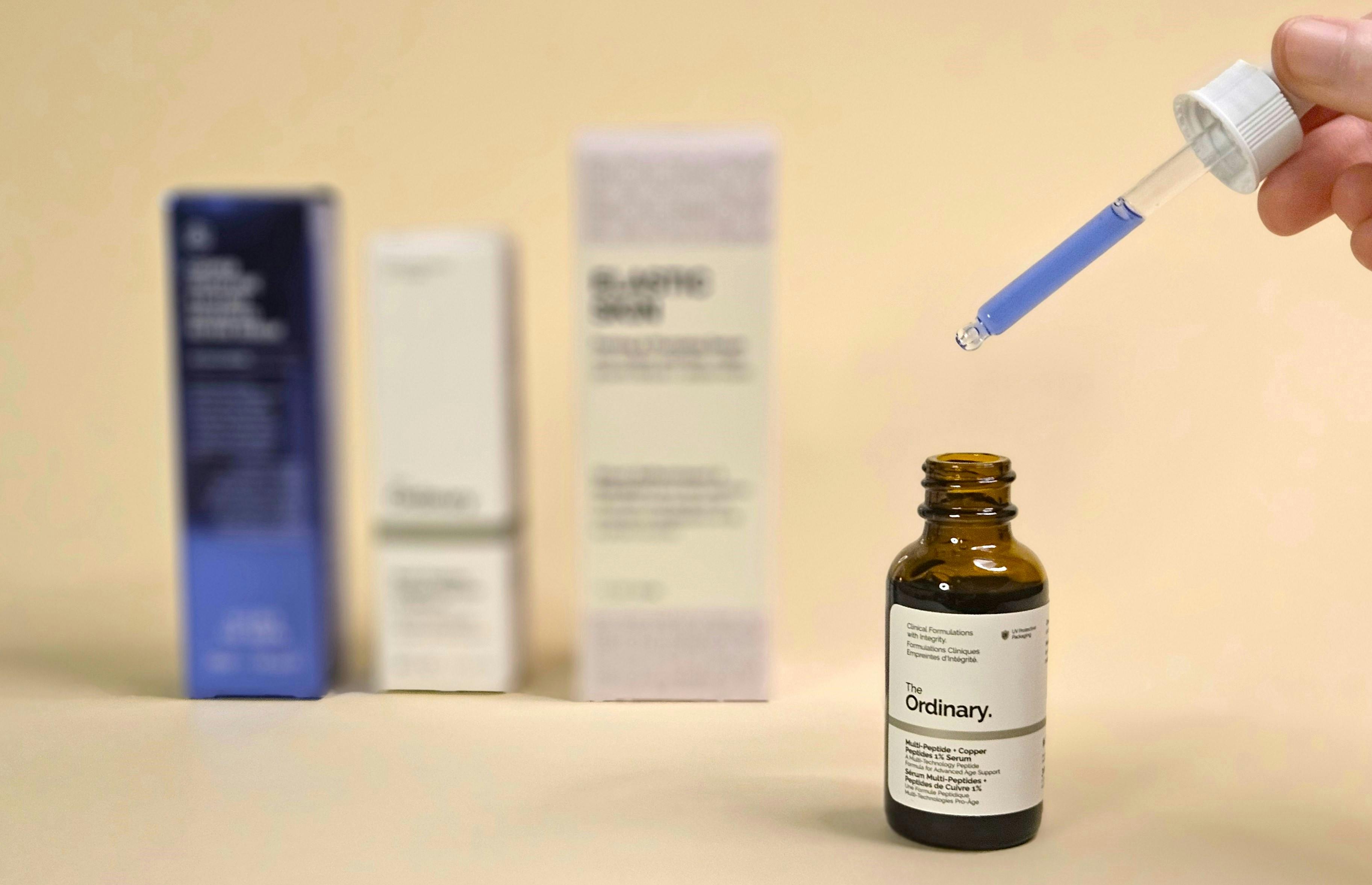
Commercial Context Images, testimonials, product categories and routes to purchase contribute to the overall presentation
The best way to determine whether GHK-Cu support makes sense is through a consultation that considers: Your health history Your recovery or wellness goals How peptide support fits into your broader care plan Getting Started If youre curious about GHK-Cu or peptide support more broadly, the first step is learning more and having a conversation