B12 is one of a handful of vitamins that your liver can store for long-term use
The Science Behind BPC-157, 10mg Product Name: BPC-157 Strength:10mg Chemical Name: Body Protection Compound-157 CAS Number: 137525-51-0 Molecular Formula: CHNO Molecular Weight: 1419.56 g/mol Amino Acid Sequence: Gly-Glu-Pro-Pro-Pro-Gly-Lys-Pro-Ala-Asp-Asp-Ala-Gly-Leu-Val Appearance: White to Off-White Lyophilized Powder Classification: Synthetic Pentadecapeptide Purity: Verified by analytical testing prior to release Analytical Methods: HPLC, Mass Spectrometry (MS) How BPC-157, 10mg Is Studied in Recovery & Regeneration Research Tissue Repair Healing & Inflammation
Each vitamin B12 shot session lasts just a few minutes and delivers immediate nutrient absorption for rapid effects
Directions: Preparation: Reconstitute the contents of the vial with the supplied bacteriostatic water before use, following the exact amount as per the physician's guidelines
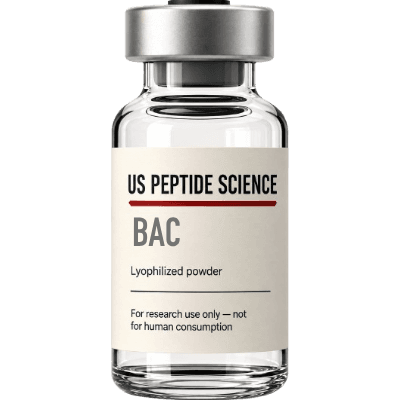
Do not use: Sterile water for injection (lacks preservative, risking bacterial growth) Normal saline without bacteriostatic agent Distilled water or tap water Other diluents or carriers Step-by-Step Reconstitution Before starting: Gather all supplies: lyophilised IGF-1 vial, bacteriostatic water, sterile syringes (appropriate size), sterile needles (23-25 gauge), alcohol pads, weighing scale (if determining exact peptide weight) Work in a clean environment (ISO Class 6-7 clean room is ideal, but a clean work surface with proper aseptic technique is acceptable for research-grade work) Wash hands thoroughly Ensure the IGF-1 LR3 vial has reached room temperature (do not attempt reconstitution with cold vials, as this affects dissolution) Reconstitution procedure: Prepare the vial: Wipe the rubber septum (the rubber stopper) of the IGF-1 vial with an alcohol pad
Higher therapeutic doses range from 500-1000 mcg daily, with some protocols reaching 1500 mcg for specific conditions