Initial assessment typically includes: Detailed history: Your doctor will ask about B12 supplementation, dietary habits, alcohol consumption, medications, and symptoms suggesting liver disease, kidney disease, or malignancy Physical examination: Looking for signs of liver disease (hepatomegaly, jaundice), lymphadenopathy, splenomegaly, or other abnormalities Medication review: Identifying any supplements or medications that might explain the elevation First-line investigations commonly include: Repeat B12 measurement: Confirming persistent elevation after stopping supplements (if applicable), ideally using the same laboratory Full blood count (FBC): Assessing for anaemia, polycythaemia, or abnormal white cell counts that might suggest haematological disorders Peripheral blood film: May be requested if blood count abnormalities are present Liver function tests: Evaluating for hepatic disease through ALT, AST, alkaline phosphatase, bilirubin, and albumin Renal function tests: Measuring creatinine and estimated glomerular filtration rate (eGFR) Inflammatory markers: C-reactive protein (CRP) and erythrocyte sedimentation rate (ESR) if inflammation is suspected Further investigations may be arranged based on initial findings: Haematology referral: If FBC abnormalities suggest myeloproliferative disorders (e.g., raised haemoglobin, platelets), specialist assessment with JAK2 mutation testing or bone marrow examination may be necessary Liver imaging: Ultrasound, CT, or MRI scanning if liver disease or hepatic malignancy is suspected Additional blood tests: Including lactate dehydrogenase (LDH) if clinically indicated If results remain unexplained, discussion with the laboratory about possible macro-B12 or assay interference may be helpful
Z.SeverM.VidovicT.LojoN.KolencD.VuleticL
Check periodically that temperatures stay between 36 and 46 degrees Fahrenheit
That mix matters because a lot of people need more than one tool
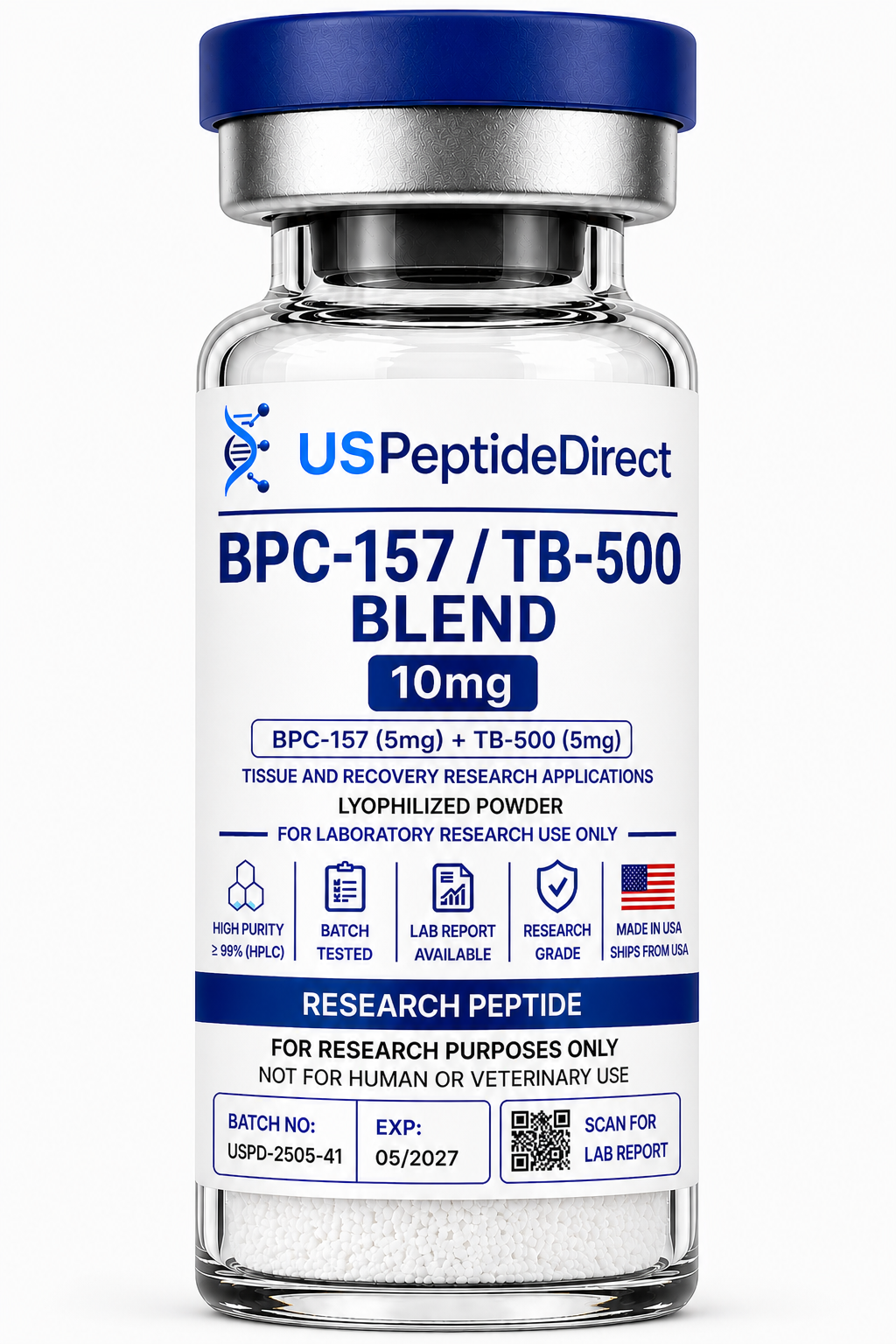
This section is informational only and does not claim that BPC-157 or TB-500 treats, cures, or prevents any disease or injury
The subacromial bursa of the same shoulder is specifically named in the CPT 20610 descriptor