for introducing the first mass-market of HPWHs

In laboratory and pre-clinical settings, HGH Fragment has been studied across a range of adipose tissue biology and metabolic research applications, including: Adipocyte lipolysis pathway characterisation triglyceride hydrolysis, HSL activation, and free fatty acid mobilisation Lipogenesis inhibition and anti-adipogenic signalling in fat cell models GH C-terminal fragment receptor biology and adipocyte signalling mechanism studies Comparative GH fragment pharmacology Fragment vs Fragment 177-191 vs full-length hGH Beta-adrenergic and cAMP pathway crosstalk in adipose tissue metabolism research Obesity and metabolic syndrome pre-clinical modelling adipose depot regulation IGF-1-independent GH activity research isolating lipolytic from somatotropic GH effects Insulin sensitivity and glucose homeostasis absence of GHR-mediated insulin resistance Adipokine regulation and adipose tissue endocrine function studies Body composition research models lean mass preservation and fat mass modulation GH fragment structure-activity relationship (SAR) studies What Do Studies Say About HGH Fragment

Find out what research suggests in our CL Answer about supplements and diets for fatty liver disease
broad real-world cohorts read lower than trial completers, and the gap is mostly persistence, not a different drug. How do tirzepatide vial sizes compare for common dosing patterns
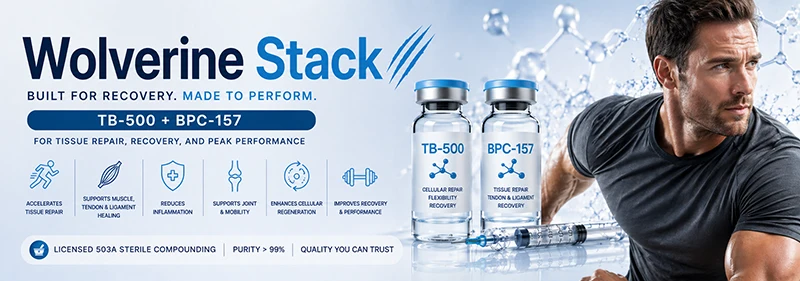
TB-500 may help support tissue regeneration and circulation, while GHK-Cu is associated with collagen production and tissue remodeling
Measurements of waist, hips, and other sites track fat loss from specific areas