Saxenda was the first GLP-1 medication to get approval from the FDA for weight management in adults with obesity and overweight with at least one weight-related health condition as an adjunct to exercise, and lifestyle and dietary modifications
HCG causes the body to release 1500-2500 calories from its fat stores each day
This is a great multipurpose IV with many uses because of its unique combination of vitamins and minerals that ease common symptoms such as fatigue and low energy levels
In the context of LIPO-C, its primary role is as a lipotropic agent, helping to prevent the buildup of excess fat in the liver
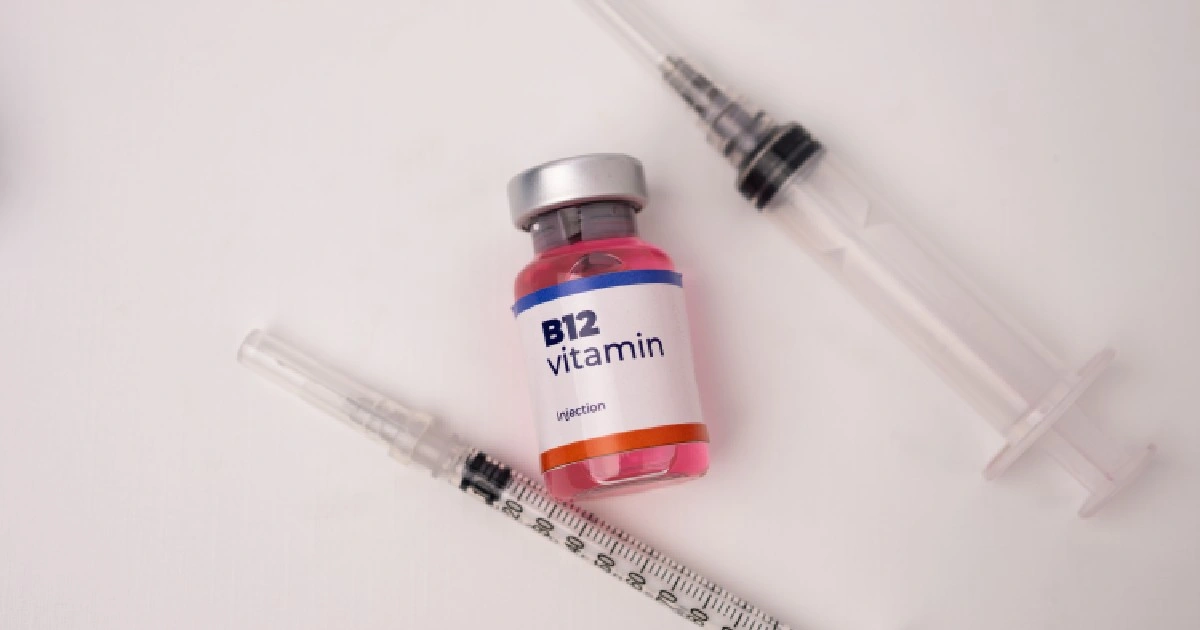
Here are examples of what you need: - The full name of the patient - The full names and credentials of the professionals handling the patient - The name, address, and type of facility where the injection was administered - The relevant information and indications related to the patient to justify medical necessity - The date and time of administration - Drug information (e.g., drug name, dosage, strength, route of administration, lot number, manufacturer, National Drug Code, etc.) - Relevant assessments that show the patient's osteoporosis, including the location and sizes of fractures (if any) - Provider's order ## **Billing requirements for J3111** Besides the documentation requirements above, please take note of or have the following: - 1 mg = 1 unit - Use the appropriate ICD diagnosis code for your patient - Also use CPT code 96372 since this is a subcutaneous injection - Use either of two modifiers: JW if there's unused medication in a vial (wastage), or JZ if there's no unused medication - Make sure to have prior authorization ## **Other similar codes** - **J3230** - Injection, chlorpromazine hcl, up to 50 mg - **J3240** - Injection, thyrotropin alpha, 0.9 mg, provided in 1.1 mg vial - **J3241** - Injection, teprotumumab-trbw, 10 mg - **J3243** - Injection, tigecycline, 1 mg - **J3244** - Injection, tigecycline (accord), not therapeutically equivalent to J3243, 1 mg Frequently asked questions
MOTS-C, a mitochondrial-derived peptide, has been investigated for metabolic regulation and exercise performance