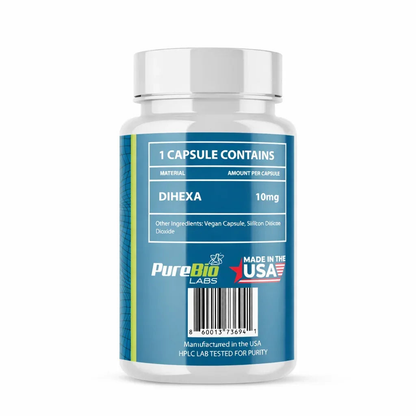
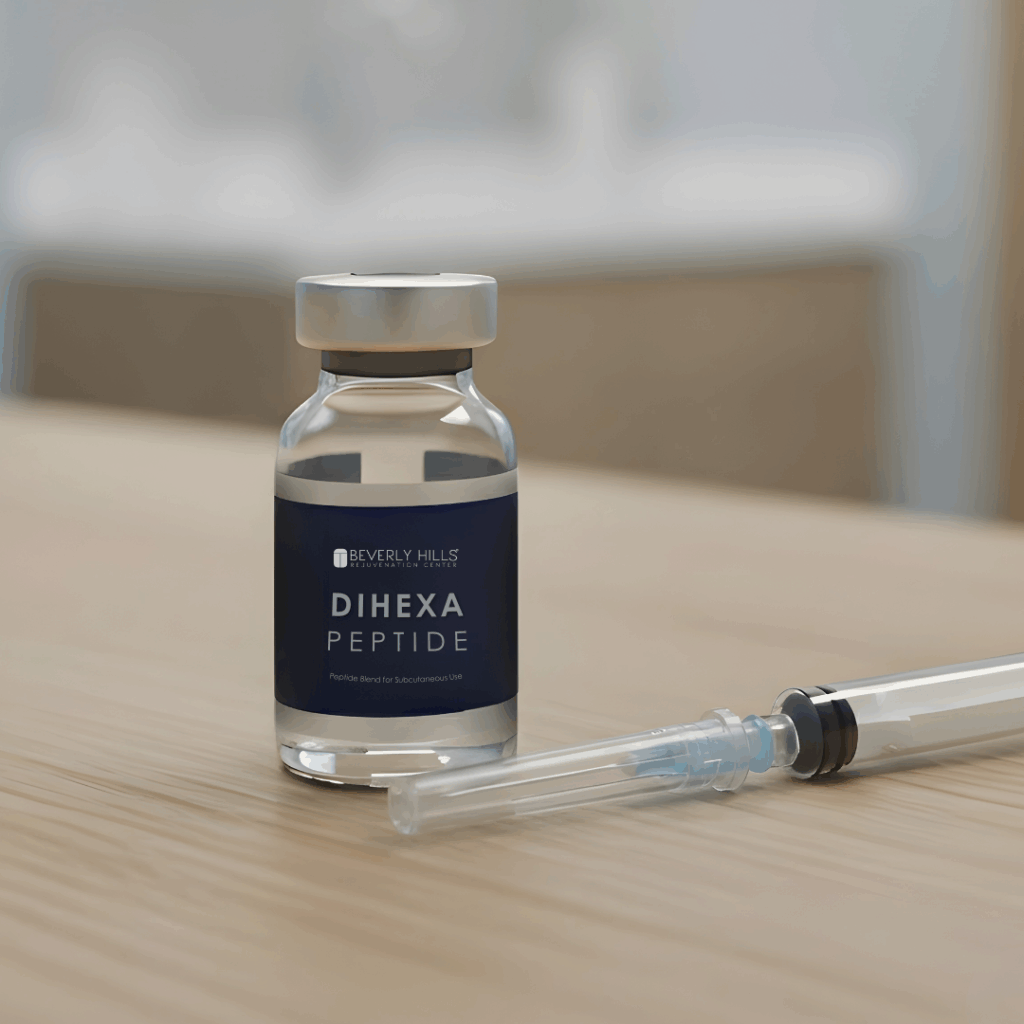
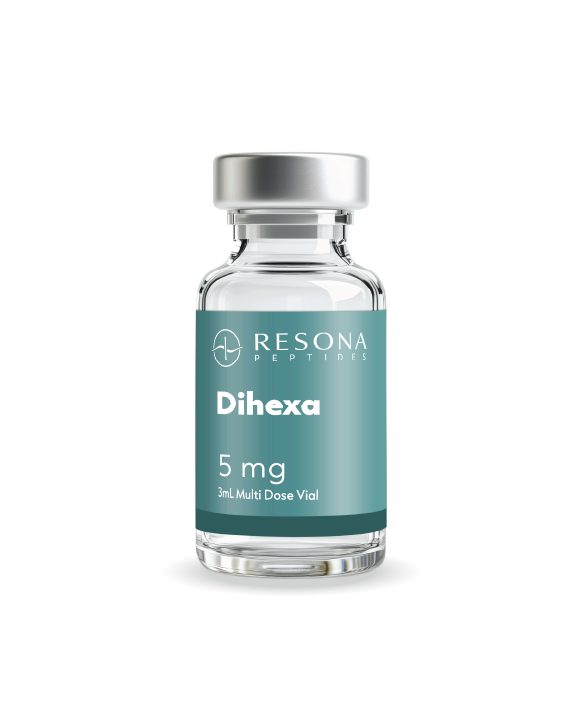
The estimated oral dose range from animal research is approximately 18 mg/kg, but human pharmacokinetic parameters including bioavailability fraction, Tmax, and clearance remain entirely unknown
We therefore did not use AD for the analysis in this study
The company states that each batch undergoes three separate rounds of testing at independent third-party laboratories: Testing Round 1 Identity Verification: According to the company, this confirms the product contains actual BPC-157 rather than filler or substitute compounds, using analytical techniques like mass spectrometry to verify the molecular structure matches authentic BPC-157
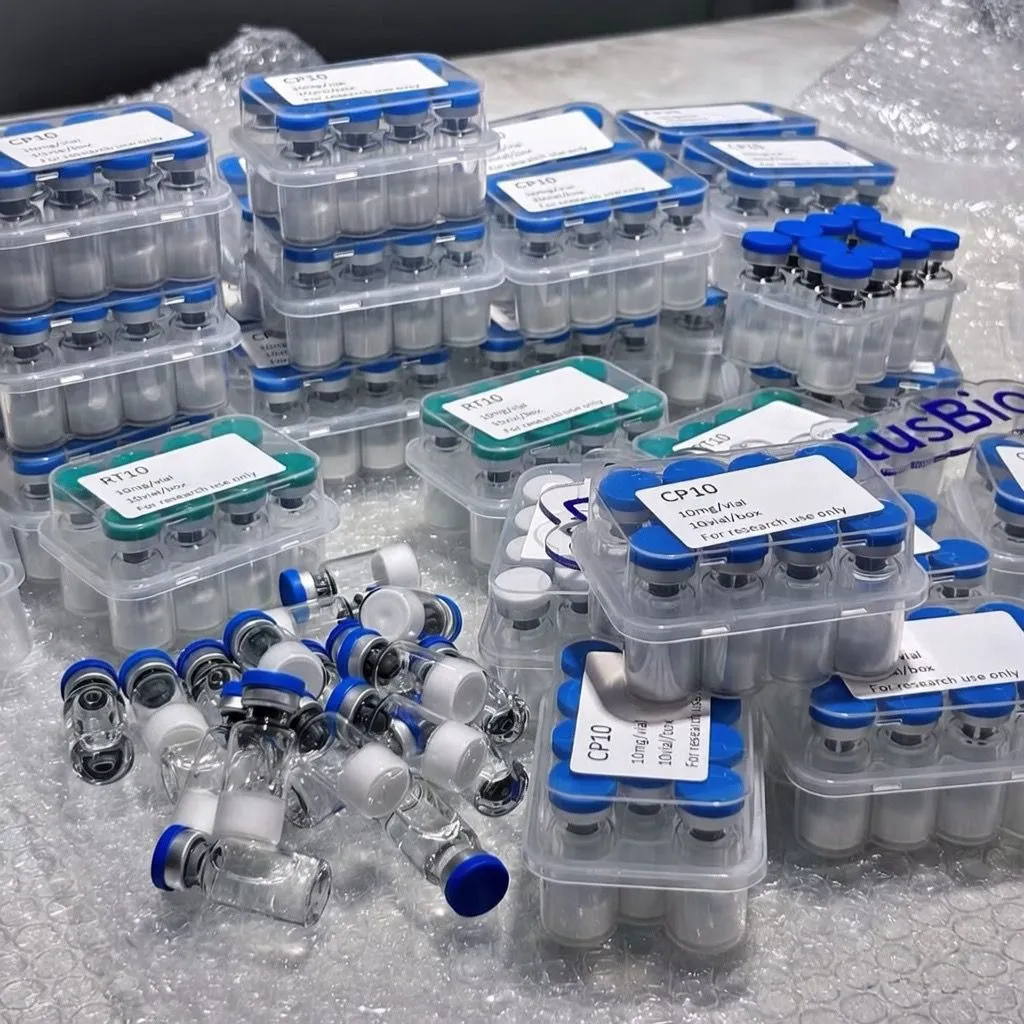
Key mechanisms include: Angiogenesis Promotion : It up-regulates vascular endothelial growth factor (VEGF), enhancing blood vessel formation to improve nutrient delivery to damaged tissues.[6] Nitric Oxide (NO) Modulation : BPC-157 interacts with the NO system to support vasodilation and anti-thrombotic effects, aiding in wound healing and reducing inflammation.[7] Growth Hormone Receptor Enhancement : It increases expression of growth hormone receptors, facilitating cell proliferation and repair in muscles, tendons, and ligaments.[8] Cytoprotection and Anti-Inflammatory Effects : By protecting cells from toxins (e.g., alcohol, NSAIDs) and modulating inflammatory pathways, it maintains tissue integrity, particularly in the GI tract and central nervous system (CNS).[9] Neuroprotective Interactions : It influences dopamine and glutamate systems, potentially mitigating brain damage from trauma or ischemia.[10] These actions make BPC-157 a versatile agent in regenerative medicine, often compared to "Wolverine-like" healing in anecdotal reports from users

Traumatic brain injury in mice and pentadecapeptide BPC 157 effect
Drucker D.J