FIP cats may exhibit a range of clinical signs, including weight loss, fever, lethargy, poor appetite, and gastrointestinal disturbances
Essential B Vitamins for MTHFR B9 (Folate) Form: 5-MTHF (methylfolate), NOT folic acid Dose: 400-800mcg daily minimum (up to 5mg for some conditions) Why: Bypasses MTHFR enzyme bottleneck Look for: Quatrefolic, Metafolin, or L-5-MTHF on labels B12 (Cobalamin) Form: Methylcobalamin OR hydroxocobalamin (avoid cyanocobalamin) Dose: 500-1000mcg daily minimum (up to 5000mcg for deficiency) Why: Essential cofactor for methylation, lowers homocysteine Choose methylcobalamin for: Direct methylation support Choose hydroxocobalamin for: Sensitive individuals, histamine issues B6 (Pyridoxine) Form: P5P (pyridoxal-5-phosphate), the active form Dose: 5-50mg daily, but will be highly individualised Why: Supports transsulfuration pathway, prevents homocysteine buildup Avoid: Regular pyridoxine HCl (requires conversion) B2 (Riboflavin) Form: Riboflavin or riboflavin-5-phosphate Dose: 10-100mg daily (higher doses for C677T homozygous) Why: Required cofactor for MTHFR enzyme function Benefit: Can improve MTHFR enzyme efficiency up to 50% Supporting Nutrients Magnesium Zinc Choline or TMG (Betaine) How to Choose a B12 Supplement for MTHFR Look for methylcobalamin or hydroxocobalamin Avoid cyanocobalamin Check for fillers or artificial folic acid Sublingual/ spray forms often absorb better Frequently Asked Questions About B12 and MTHFR Which form of B12 is best for MTHFR
Research areas relevant to canine joint health include: Cartilage Protection: Some studies suggest potential chondroprotective effects in animal models Modulation of matrix metalloproteinase (MMP) activity that degrades cartilage Potential effects on synovial fluid composition and joint lubrication Anti-inflammatory effects in joint tissues Pain and Inflammation: Observed reductions in pain behaviors in some animal studies Anti-inflammatory effects that may reduce joint swelling Potential neuroprotective effects relevant to pain signaling Mobility and Function: Functional outcome measures in research animals have shown: Improved weight-bearing on injured limbs Enhanced range of motion in joint injury models Faster return to normal activity patterns Common Canine Orthopedic Conditions Several orthopedic conditions in dogs might theoretically benefit from peptide research
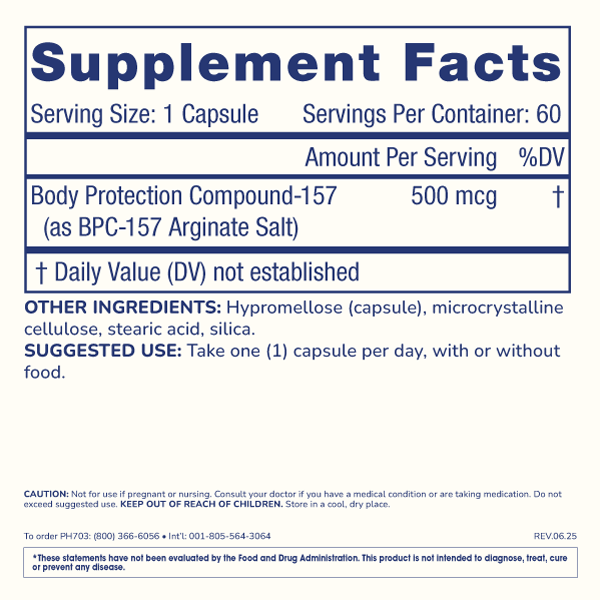
GET BACK PAIN RELIEF WITH BPC 157 BPC 157 is a peptidea short chain of amino acidsoriginally derived from a protein in the stomach
a Personal communication by S.J
At Prime Body Solutions, peptide therapy programs start at $225/month for our Foundation tier (single peptide), $475/month for our Performance tier (dual-peptide combination), and $575/month for our Elite Optimization tier (three-peptide stack with quarterly labs)