The peptide contains amino acids 176-191 of HGH and was originally researched as a possible treatment for obesity
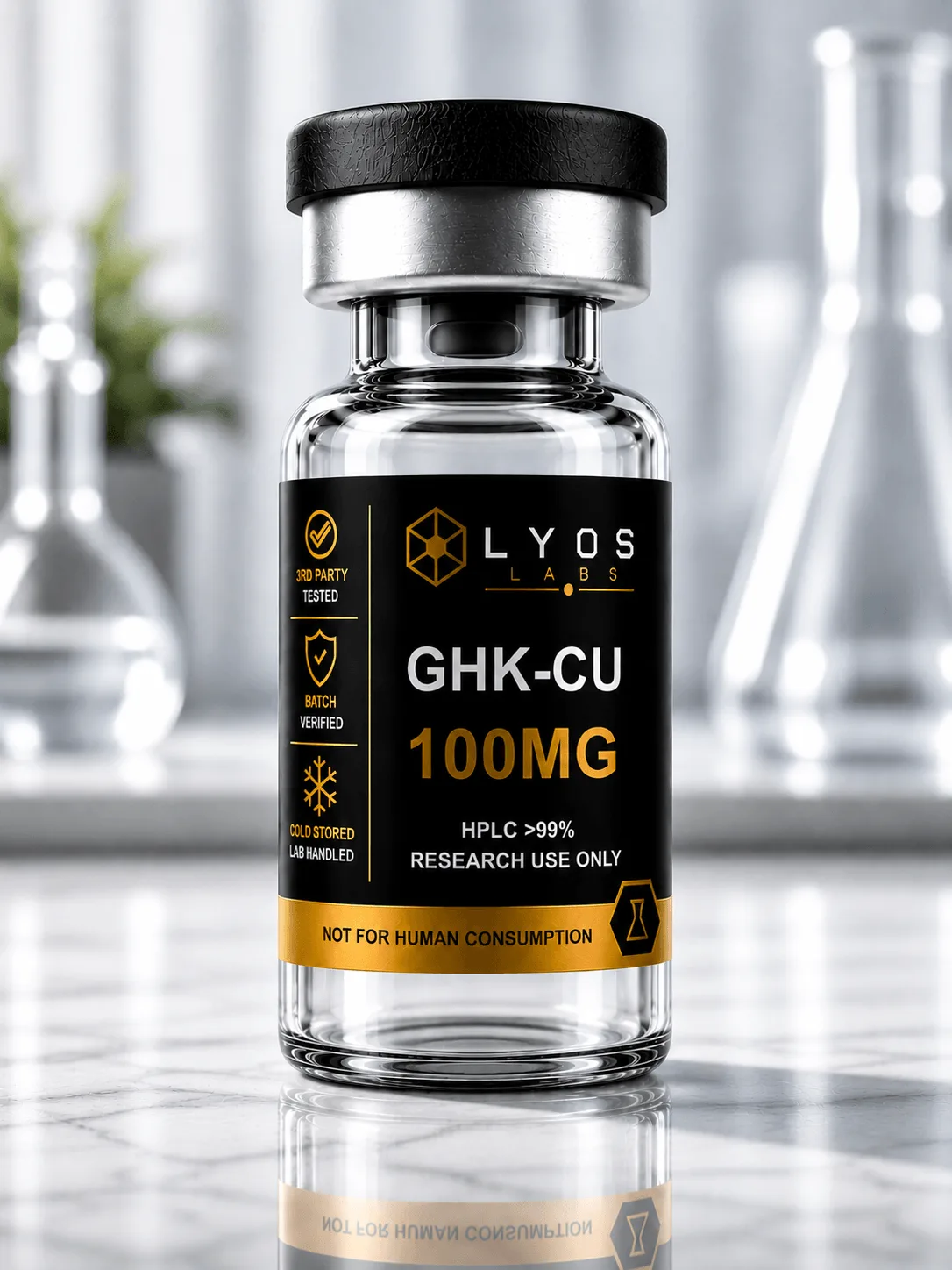
What GHK-Cu adds to the formulation: Gene expression modulation across hundreds of genes including collagen genes (Type I, III), tissue inhibitors of metalloproteinases, anti-inflammatory mediators Collagen synthesis stimulation, specifically Type I and Type III collagen the structural proteins of skin, connective tissue, and many other tissues Anti-inflammatory signaling through investigated effects on TNF-, IL-6, and NF-B pathways Copper-peptide chemistry effects including cofactor activity for skin-relevant enzymes Skin-research and hair-research applications (the GHK-Cu literature in these areas is substantial) For the GHK-Cu deep-dive, see Copper Peptides Explained
Understanding their origins helps clarify why they affect the body differently
As explained by the National Institutes of Health (NIH), the breakdown of vitamin B12 begins in the mouth when food is mixed with saliva
ZO-1 is an intracellular located adaptor protein that binds numerous transmembrane and cytoplasmic proteins and is required for assembly of both adherens and TJ
Rahib, L., Smith, B